Paid parking is available in the attached city garage, which guests can enter on Yale Avenue. Guests may enter the event venue via the Ledo entrance on the corner of Knox Road and Yale Avenue.
Food and beverages will be available for purchase at the event.
If you have any questions about attending this event, including disability accommodations, please contact Rena Surana-Nirula at rena@umd.edu or 301-405-6563.
The University of Maryland is helping keep Maryland residents and businesses safe from severe weather thanks to the Maryland Mesonet and Maryland Hydronet.
The Maryland Mesonet is a network of 70-75 (upon completion) rapid-sampling weather monitoring stations across the state.
The Maryland HydroNet is a network of low-cost, continuous, near-real-time sea-level monitoring sensors installed along the Chesapeake Bay shorelines.
The data from both the Mesonet and Hydronet are transmitted to the National Weather Service in near-real time and made available simultaneously to local and state emergency management personnel to warn Maryland citizens of severe weather, such as tornadoes and flooding.
About the Speakers
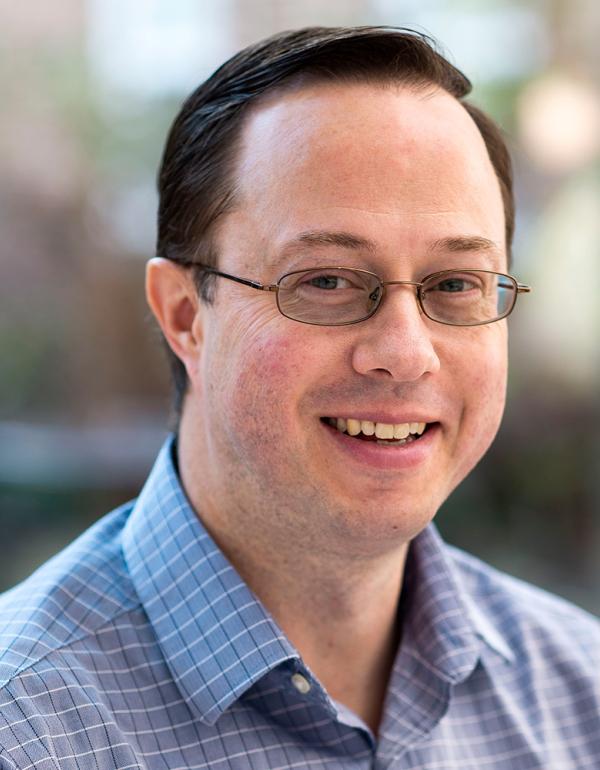
Timothy Canty is an associate professor in the Department of Atmospheric and Oceanic Science at the University of Maryland and is also the director of the University System of Maryland’s Marine Estuarine Environmental Sciences graduate program. He received his Ph.D. in physics in 2002 from the New Mexico Institute of Mining and Technology. He then served as a postdoctoral scholar at Caltech working at NASA’s Jet Propulsion Laboratory and a lecturer at UCLA. His research focuses broadly on understanding atmospheric composition and physics in relation to stratospheric ozone, climate change and air quality. He works closely with policymakers to make sure the best available science is used to develop effective pollution control strategies. He recently became a faculty fellow in the Smith Enterprise Risk Consortium.
James Hyde the manager of the Maryland Mesonet, a statewide network of rapid-sampling weather stations designed to enhance severe weather monitoring, forecasting, and data collection. He received his M.S. in emergency management from North Dakota State University in 2017.