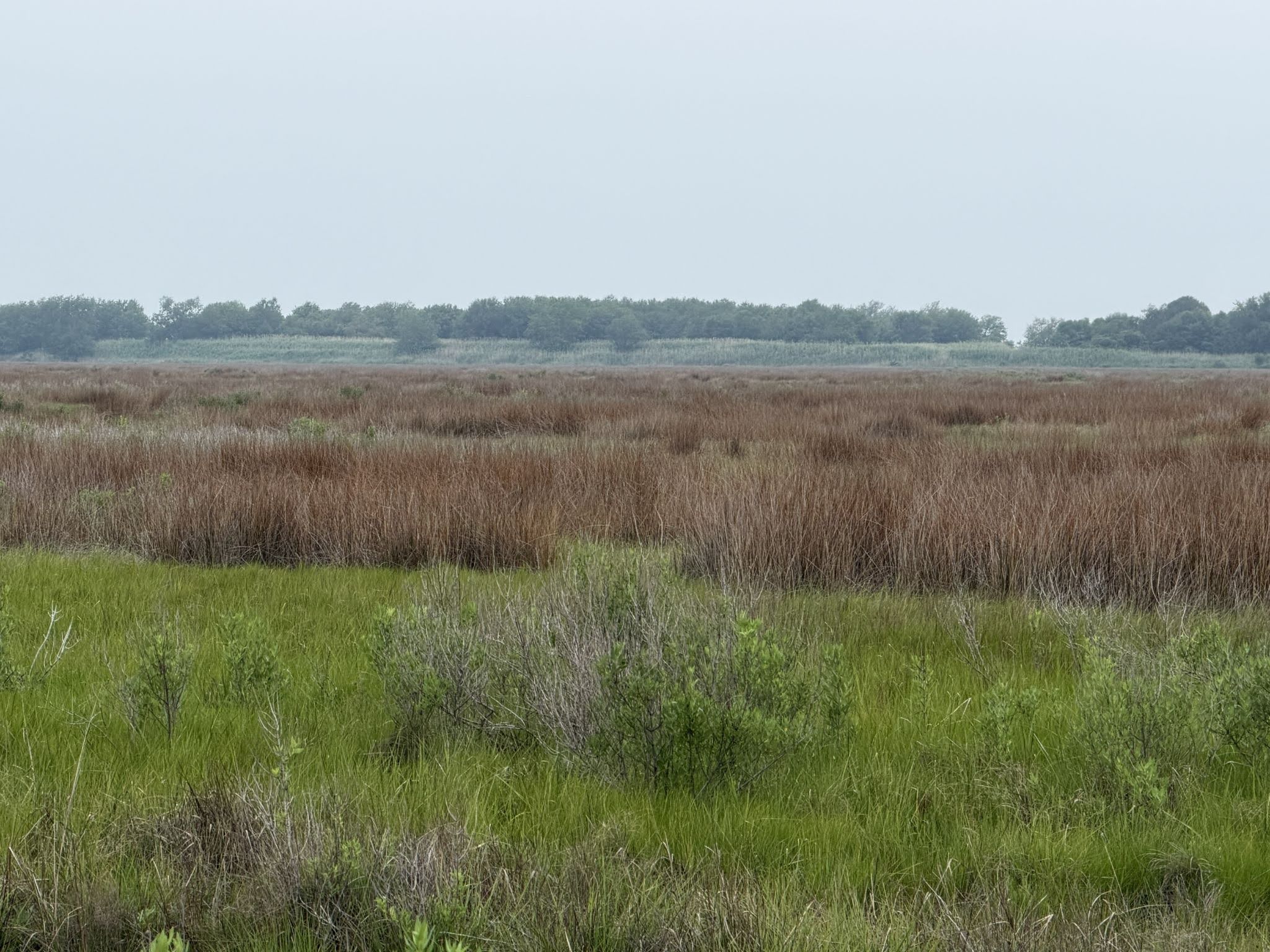
As we turned out of Cambridge and continued south towards the unincorporated community of Toddville, the landscape slowly began to change. Strip malls and traffic lights disappeared behind us, replaced by narrow roads cutting through marshland and open water. Driving through the remote, low-lying waterways surrounding the Blackwater National Wildlife Refuge, I was struck by the beauty of the place: geese gliding over the marsh, eagles circling overhead, reeds bending in the wind, and endless stretches of water reflecting the gray spring sky.
And yet, even on an ordinary day, the vulnerability of this landscape was impossible to ignore. Although the tide had already begun to fall and there had been no recent major rainfall, parts of the road were flooded. Water crept onto the pavement as a reminder that here, the boundary between land and water is never fully certain. On either side of the road sat abandoned homes slowly being reclaimed by nature.
Then, suddenly, there was Elijah’s General Store.
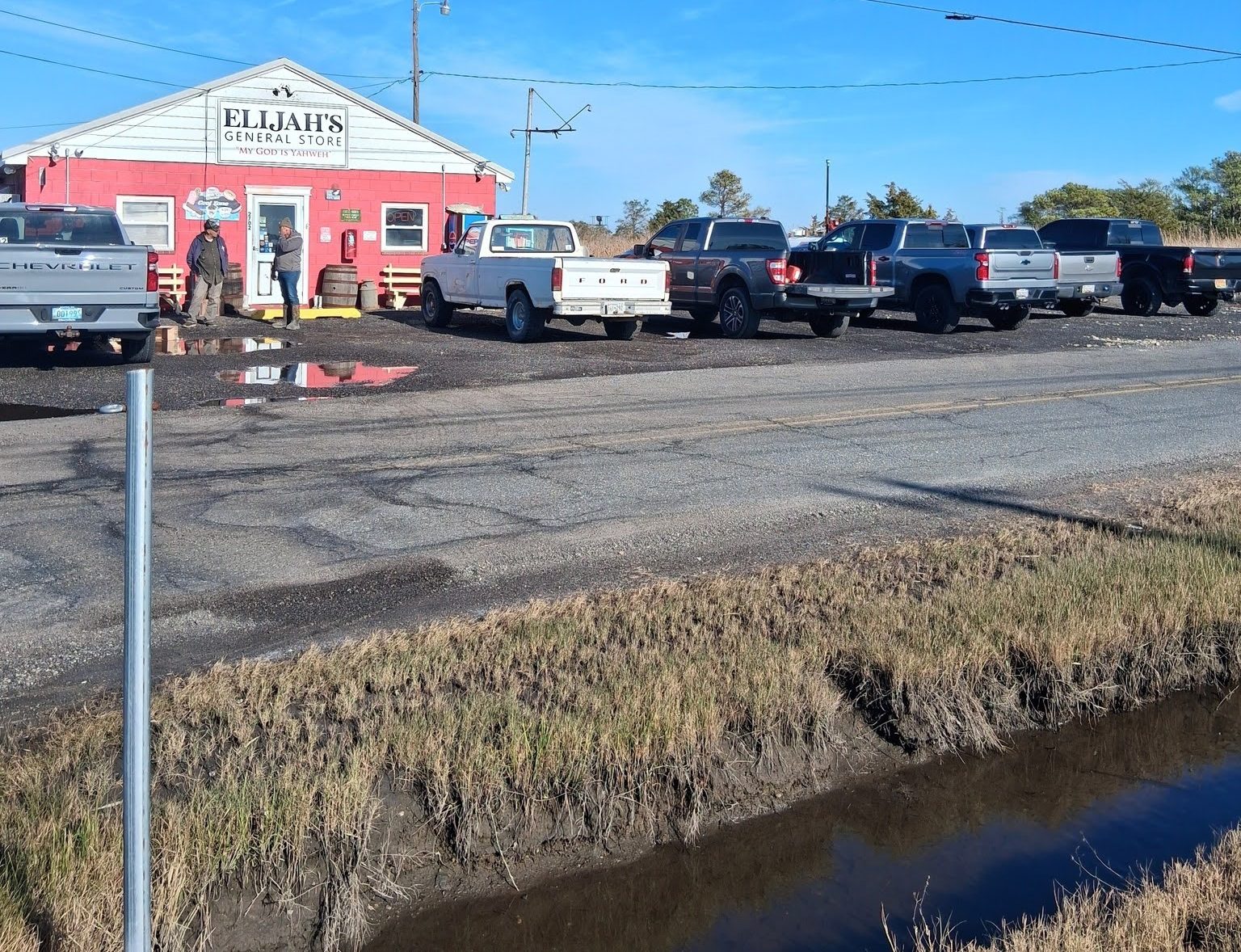
The store stood like an oasis: a small but vibrant center of human activity surrounded by miles of wetlands, water, and silence.
Standing outside Elijah’s General Store, I was reminded why we had made the trip in the first place. In this receding marshland, people continue to build lives, raise families, run businesses, and care for their communities. Yet many places like Toddville often struggle to access the grants, technical assistance, and adaptation resources designed to help communities facing climate-related challenges. My research over the past semester suggests that Toddville is far from unique. Across Maryland, many unincorporated communities face a similar reality: they experience significant flood risk but often lack the institutional capacity needed to compete for funding and implement mitigation projects. The result is that some of the places most vulnerable to environmental change can also be among the least equipped to respond.
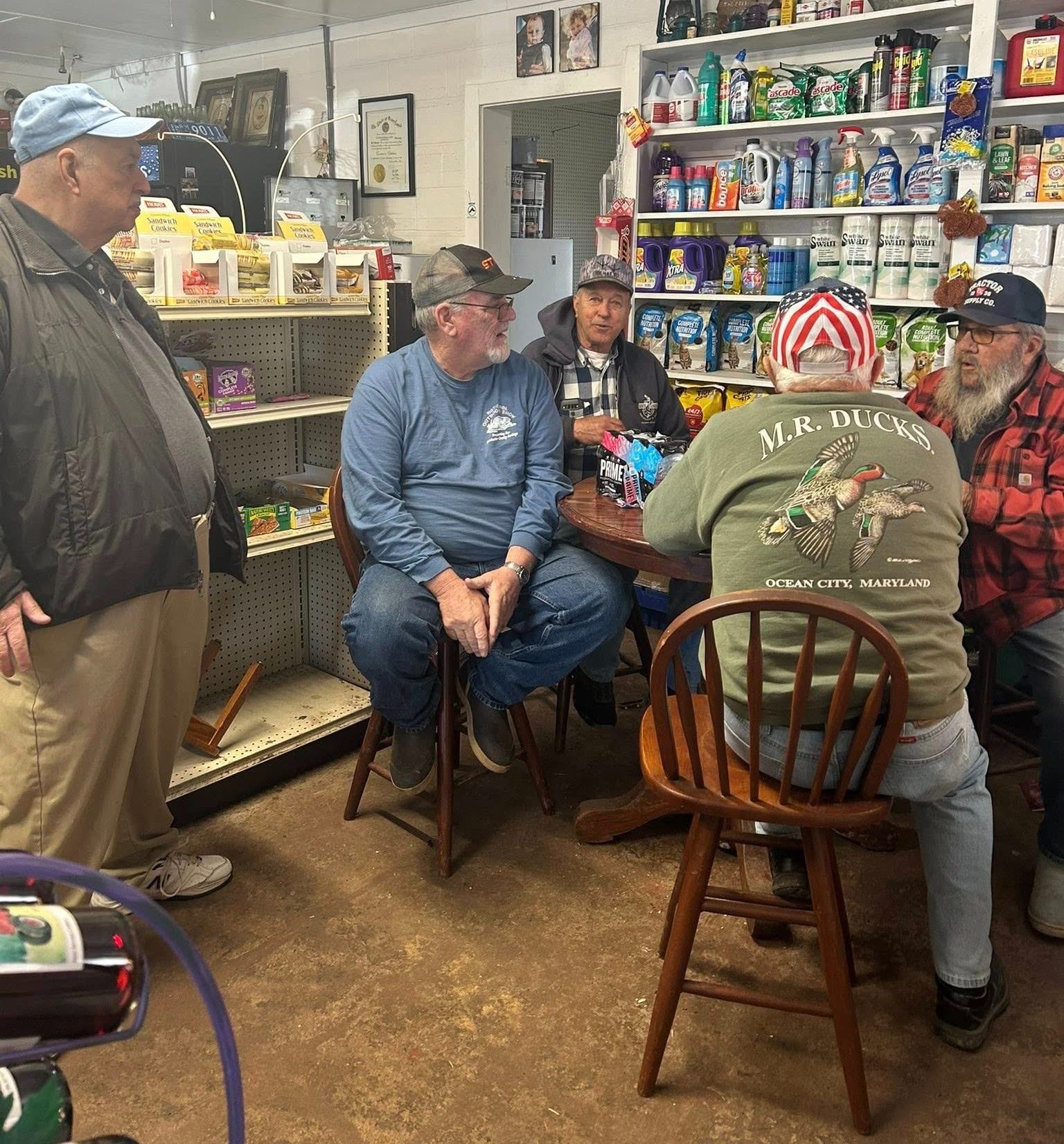
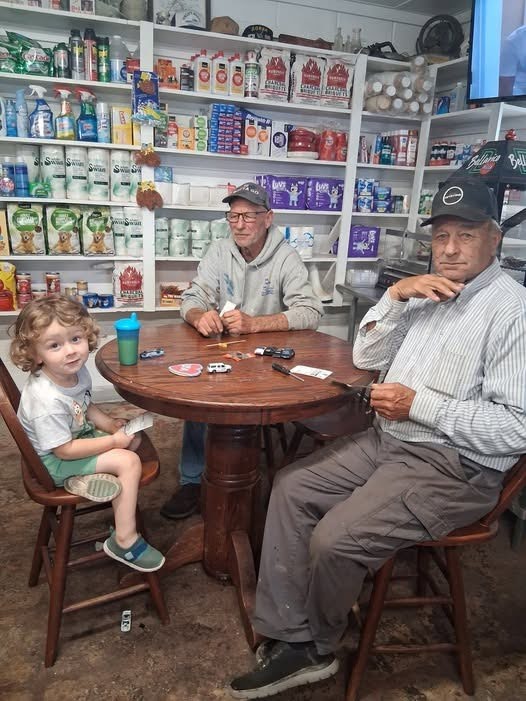
The store is a throwback to the classic rural general store, carrying groceries, meats, produce, hardware supplies, hunting and fishing equipment, and fresh coffee. But perhaps more importantly, the store is the heart of the community — a gathering place where people exchange stories, discuss flooding and roads, and check in on neighbors. People come and go constantly, stopping to speak with owner David Beverley or smile at and play with his three-year-old son, Elijah, for whom the store is named.
Beverley tells us that around the wooden table in the store, conversations with community members about the future of southern Dorchester County and Toddville specifically are very common.
This community faces severe environmental challenges tied to sea level rise, erosion, flooding, and land subsidence. Residents describe roads regularly flooding simply from high tides, even in the absence of major storms. In recent years, saltwater intrusion and erosion have increasingly reshaped the landscape, contributing to the loss of both land and vegetation throughout the region. These challenges are part of a broader pattern affecting Maryland’s low-lying coastal communities, particularly along the Eastern Shore, where rising water levels and recurrent flooding are placing growing pressure on infrastructure, housing, and local economies. For communities like Toddville, adaptation is no longer a question of preparing for a distant future, but of responding to changes that are already occurring.
Beverley has quickly become one of the leading voices advocating for these communities. Though he originally moved to Dorchester County in 2014, residents have embraced both him and the store because of what they represent: investment, connection, and hope in a place that has lost much of its economic activity over the years.
Before Elijah’s General Store opened in 2024, many residents had to drive nearly 40 minutes just to buy basic necessities like milk or bread. For elderly residents especially, the lack of nearby services made it increasingly difficult to remain in the community they had lived in for decades.
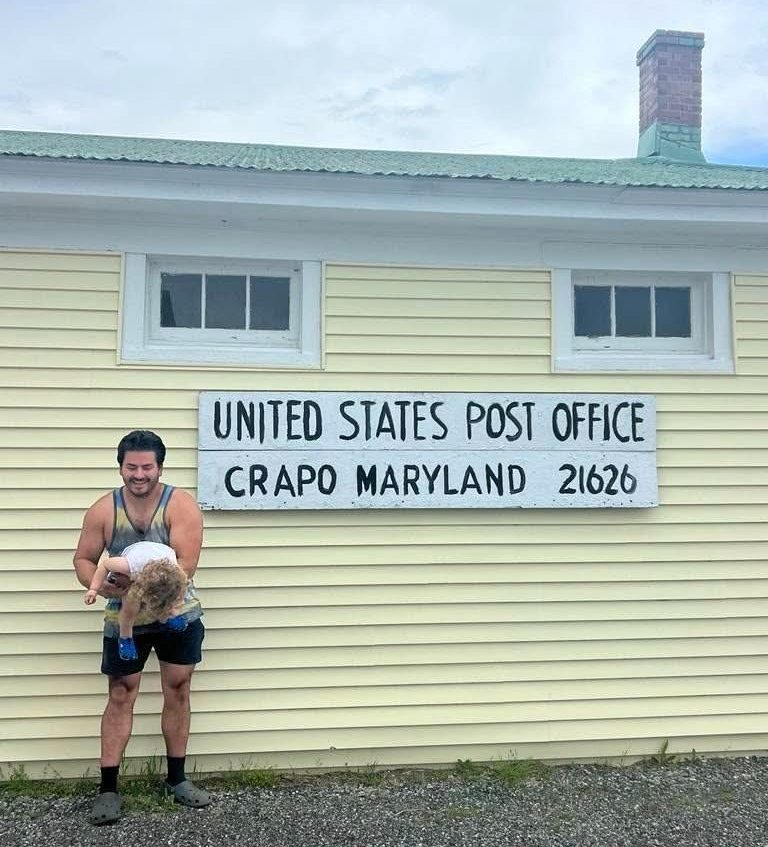
Even the local post office — another institution that still exists largely because of Beverley’s efforts to preserve it — reflects the growing invisibility of these communities. The Crapo post office continues to serve residents across southern Dorchester County, yet its zip code is no longer recognized in many electronic systems and records. It captures what many residents here already feel: that their communities have slowly faded from the awareness of the outside world, even as they continue to preserve the place they call home.
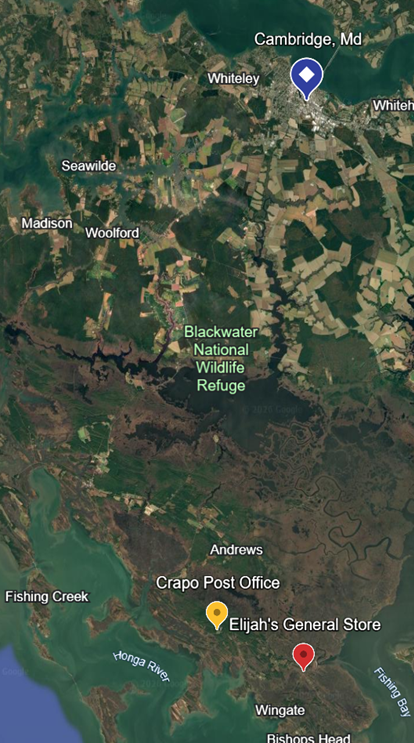
Beverley is now part of a broader effort to help the surrounding communities gain a stronger political voice through the proposed incorporation of a new town called Blackwater. The proposal would unite several small communities, including Toddville, Bishops Head, Crocheron, and Crapo, under one incorporated municipality. Supporters believe incorporation could help the region compete more effectively for state and federal funding needed for road improvements, drainage systems, and flood adaptation projects.
Incorporation often shapes whether communities have access to resources, apply for grants, and adapt to environmental hazards. My research found that flood exposure alone does not determine where mitigation projects occur. Across Maryland, incorporated communities tended to receive substantially more hazard mitigation activity than unincorporated communities, even after accounting for differences in flood exposure, population, income, and housing characteristics. More importantly, the relationship between flood risk and mitigation activity was significantly stronger in incorporated places. In other words, as flood risk increased, incorporated communities were generally better able to translate that need into action, while unincorporated communities often were not.
Researchers describe this as a matter of institutional capacity: the administrative resources, governance structures, technical expertise, and political representation needed to navigate complex funding programs and implement projects. In Toddville, those abstract statistical findings suddenly became deeply human.
At one point during our visit, Beverley spoke about how difficult regulations and economic realities have made it for residents to repair or elevate their homes. Residents described a cycle in which declining population leads to reduced investment in infrastructure, which then makes it even harder for people to stay.
Driving back north later that evening, I kept thinking about how easy it is for places like Toddville to become invisible to the rest of Maryland.
But communities like Toddville matter not only because they are on the front lines of climate change, but because they represent something increasingly rare: resilience, community, and an enduring connection to a place despite all odds.
The future of southern Dorchester County remains uncertain. The water continues to rise, roads continue to flood, and many challenges remain unresolved. But what also remains is a community of people unwilling to disappear.